

Twickenham Stadium rubbish removal guide for match days
Posted on 27/07/2026
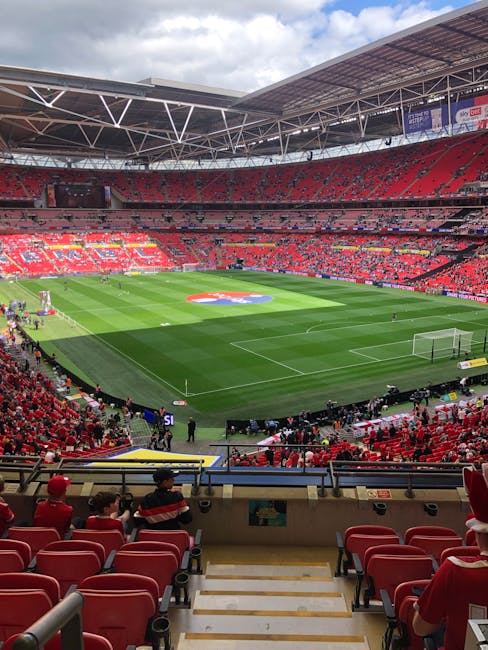
Match day around Twickenham can be brilliant, noisy, and just a little chaotic in the best possible way. You get the buzz from the crowd, the smell of food drifting from stalls and nearby cafes, the thud of bins being emptied before the rush, and the steady flow of people arriving with cups, packaging, signs, and leftovers in tow. If you are responsible for cleanup, even in a small way, the reality sets in fast: rubbish builds up quickly, access gets tighter, and the last thing anyone wants is a messy exit once the final whistle blows.
This Twickenham Stadium rubbish removal guide for match days is here to help you plan properly, avoid the common headaches, and keep waste moving without getting in the way of the event itself. Whether you are managing hospitality waste, a nearby venue, a short-term rental, a shop, or a property that fills up with match-day footfall, the basics are the same: separate waste early, keep collection points clear, and use a reliable removal plan that works under pressure. Sounds simple. In practice, not always.
Below, you will find a practical, local-minded guide that covers what match-day rubbish removal really involves, how it works, what to expect, and where people often go wrong. If you want a cleaner, calmer, more controlled match day, start here.
- Why it matters
- How rubbish removal works on match days
- Key benefits and practical advantages
- Who this is for and when it makes sense
- Step-by-step guidance
- Expert tips for better results
- Common mistakes to avoid
- Tools, resources and recommendations
- Law, compliance and best practice
- Options and comparison table
- Case study
- Practical checklist
- Conclusion
- Frequently asked questions
Why Twickenham Stadium rubbish removal guide for match days Matters
On match days, waste is not just a housekeeping issue. It affects safety, customer experience, local presentation, and how smoothly people move around the area. When bins overflow, cardboard starts to blow across pavements, food waste attracts pests, and walkways become awkward to navigate. That is the stuff nobody remembers fondly, even after a great game.
Near a major stadium, timing matters as much as volume. Waste tends to arrive in waves: pre-match deliveries, peak crowd arrivals, half-time packaging, post-match food waste, and then the sudden after-hours clear-down. If you wait until everything is piled up, the job becomes slower and more expensive. Truth be told, the best rubbish removal is usually the kind people barely notice happening.
There is also a reputational angle. If you run a business, venue, managed property, or hospitality space near the stadium, tidy waste handling says a lot. It tells visitors that the place is organised and cared for. That counts, especially in a busy part of London where first impressions can be made in about three seconds.
For wider site planning, many local operators also use a broader services overview to think through what type of waste support they need before a fixture day arrives.
How Twickenham Stadium rubbish removal guide for match days Works
Match-day rubbish removal usually works best as a staged process rather than a single end-of-day clean-up. The exact setup depends on the size of the event and the type of waste being produced, but the flow is generally similar.
1. Pre-event planning
Before the gates open, the first job is to estimate likely waste volumes. Think food containers, drink cups, packaging, paper menus, cardboard from stock deliveries, broken items, and any bagged litter from prep work. A quick walk-through usually reveals more than people expect. The corner by the service entrance? That is often where waste quietly accumulates first.
2. Segregation at source
Separating waste as early as possible makes the rest easier. General rubbish, cardboard, recyclables, and any bulky items should not be thrown into one giant pile unless you enjoy making things harder for yourself. It also improves the chances of sending more material for recycling where suitable. For teams trying to improve their environmental approach, the company's recycling and sustainability approach is worth keeping in mind as part of a cleaner workflow.
3. Collection and movement
On busy days, waste needs to move from public-facing bins to a secure holding point, then into a vehicle or collection system. This step is where access matters. Narrow roads, crowd barriers, parked cars, and event traffic can all get in the way. If the collection point is too far from the waste source, staff end up making extra trips. That sounds minor until you are carrying three bagged bins through a compressed crowd flow at 10:45 pm.
4. Final clear-down
Once the event has ended, the final sweep should catch hidden litter, bagged waste, loose packaging, and anything left behind in service areas. This is usually when people spot the "how did that get there?" items: broken signage, damp cardboard, forgotten trays, or a single shoe somehow abandoned with confidence. It happens.
5. Responsible disposal
The last stage is lawful disposal. Waste should go to appropriate facilities and be handled by people who understand sorting, transfer, and transport expectations. If you are using an external team, it is sensible to check service coverage, insurance, and payment clarity in advance. The pages on insurance and safety and payment and security can help reassure customers who want the operational basics in black and white.
Key Benefits and Practical Advantages
A good match-day waste plan does more than keep the area tidy. It reduces friction everywhere. Staff work better when bins are not overflowing, visitors feel more comfortable, and cleaning teams can move faster without wasting time backtracking.
- Cleaner public areas: Less litter around entrances, pavements, and service zones.
- Better crowd flow: Waste is kept out of pinch points and walkways.
- Lower safety risks: Fewer slip hazards, trip hazards, and blocked exits.
- Faster turnaround: Post-match clear-down becomes quicker and less stressful.
- Improved presentation: A tidy site reflects well on the business or venue.
- More efficient recycling: Sorting waste properly from the start usually improves recycling outcomes.
There is a financial benefit too, even if it is not always obvious at first glance. Better sorting and better planning can reduce unnecessary handling time. If your team spends less time untangling a mixed waste mess, that time is going back into something more useful. Small win, but a real one.
For businesses operating near the stadium, it may also make sense to review broader waste support, including rubbish collection in Twickenham or a more flexible waste clearance service in Twickenham where match-day demand changes from week to week.
Who This Is For and When It Makes Sense
This guide is not only for stadium operators. In fact, plenty of people nearby benefit from a match-day waste plan, including a few you might not immediately think about.
- Hospitality venues: Bars, restaurants, pubs, and private event spaces with high footfall.
- Short-let hosts and property managers: Especially if guests arrive or depart on busy match days.
- Retail premises: Shops that see extra packaging waste, stock handling, or customer litter.
- Offices and workspaces: If you are operating special hours or hosting staff during a fixture.
- Event organisers: Pop-up traders, sponsors, caterers, and temporary hospitality teams.
- Local homeowners: If you have temporary parking, garden, loft, or bulky item clearance needs before or after a big weekend.
It also makes sense when you know waste will spike suddenly. That might be the day before a sell-out game, a bank holiday fixture, or a weekend when guests, deliveries, and match traffic all collide. That combination can be a bit of a headache, to be fair. Better to prepare than to improvise under pressure.
For example, if you are clearing out a property before a match weekend rental changeover, you may need a broader cleanup, not just bag collection. In those cases, options like house clearance in Twickenham or furniture disposal in Twickenham can be more suitable than ad hoc bin emptying.
Step-by-Step Guidance
If you want a practical approach that holds up on busy match days, use this simple sequence.
- Survey the site the day before. Look for bin pinch points, service doors, shared access routes, and anywhere waste tends to collect unnoticed.
- Estimate the likely waste types. Food waste, dry recyclables, cardboard, packaging, broken furniture, or refurbishment debris all need different handling.
- Place bins where people actually use them. If the bins are hidden, too far away, or awkward to reach, litter ends up elsewhere. People will take the shortest route. Always.
- Label waste streams clearly. Simple signs and colour cues help staff and temporary workers sort properly without constant reminders.
- Schedule collection windows around crowd flow. Avoid peak arrival and departure times if you can. Early morning or late-night clearances are often easier.
- Keep a backup overflow plan. Extra sacks, reserved containers, or a rapid-response contact can save the day if volumes spike.
- Do a final sweep after the last guests leave. Check corners, entrances, smoking points, and any outdoor seating areas.
- Review what happened. What overflowed? What was sorted badly? What took too long? Next time becomes much easier if you learn once and adjust properly.
One useful rule of thumb: if a waste point feels "probably fine" before the event, it may be underpowered. Match-day volume has a way of proving optimism wrong. Not always, but often enough.
Expert Tips for Better Results
Here are the small details that make the biggest difference.
Keep waste points visible and simple
People use what they can see without thinking too hard. A bin tucked behind signage or stacked behind chairs is easy to miss. Make collection points obvious, and keep the instructions short. Too much wording is just noise.
Separate cardboard early
Cardboard gets soggy fast in British weather, and once it is wet, handling becomes slower and messier. If you expect deliveries, flatten boxes as they arrive rather than leaving a tower of chaos by the back door.
Build in a little slack time
Even a well-run clearance can hit a delay if roads are busy or the site access changes at the last minute. Leave room in the plan. A 20-minute buffer can feel generous until you need it.
Use the right team for the right job
Bulky rubbish, event waste, and household waste are not always the same thing operationally. If you have mixed needs, speak to a provider that can cover a broad range of clearance jobs, not just the one obvious task. The services overview can help you understand how different services fit together.
Do not leave clean-up until the end of the night
Some of the best match-day cleanups happen in stages. A small sweep during the event, a mid-point waste lift, and a final after-hours collection is often smoother than one heroic push at midnight. Honestly, heroic is overrated here.
Keep special waste separate
If you come across items that need extra care, keep them apart from general rubbish. That might include sharp materials, broken glass, or anything unusually heavy. Careful handling protects both staff and the site.

Common Mistakes to Avoid
Most problems on match day are not dramatic. They are usually small planning mistakes that snowball. The good news? They are avoidable.
- Underestimating volume: A quiet-looking fixture can still produce a surprising amount of waste.
- Using too few collection points: Overloaded bins encourage littering and slow down staff.
- Mixing every waste type together: This makes sorting harder and can reduce recycling quality.
- Ignoring access issues: Vehicle access, barriers, crowd routes, and parking restrictions all matter.
- Forgetting post-event clear-down: The visible mess often appears after guests leave, not during the event itself.
- Failing to brief temporary staff: A three-minute explanation at the start can prevent a lot of confusion later.
- Choosing a provider too late: The best time to arrange waste removal is before the pressure starts, not after.
A classic mistake is assuming that bin collection alone will solve the problem. Sometimes it will. Often, it will not. If your site produces bulky waste, broken items, or larger event debris, you may need a fuller clearance solution such as office clearance in Twickenham or even builders waste disposal in Twickenham when temporary infrastructure or fit-out work is part of the setup.
Tools, Resources and Recommendations
You do not need a huge kit to manage match-day waste well, but a few practical tools make life easier.
- Heavy-duty bin bags: Stronger bags reduce tearing during lifting and transport.
- Clearly marked bins: Keep general waste, recycling, and overflow separate where possible.
- Gloves and basic PPE: Useful for staff handling waste manually.
- Trolleys or bin dollies: Helpful for moving heavier loads without strain.
- Flashlights or head torches: Handy for late clear-downs when the light starts to go and corners get missed.
- Simple site map: Especially useful for temporary teams or subcontracted staff.
For paperwork and service clarity, it helps to review company information before booking. Pages such as about us, terms and conditions, and privacy policy are the sort of pages customers often look for when deciding whether a provider feels dependable.
If you are comparing costs, a dedicated pricing and quotes page can be useful for getting your bearings before you commit. It is one of those admin tasks nobody loves, but it saves time later.

Law, Compliance, Standards, or Best Practice
Waste management in the UK is not something to freestyle. The legal and practical expectations can vary depending on the waste type, who produces it, and how it is stored, moved, and disposed of. If you are operating near a stadium or in a high-footfall area, the safest approach is to use clear internal procedures and work with a provider that handles waste responsibly.
At a practical level, best practice usually means:
- keeping waste contained and secured so it does not blow around or spill;
- sorting recyclable material where it is reasonable to do so;
- avoiding blocked exits, pavements, and emergency access points;
- storing waste in a way that reduces contamination and pest issues;
- using suitable vehicles, staff, and handling methods for the load;
- making sure the service you use is appropriate for the material involved.
If your setup involves staff handling waste regularly, sensible training and safety checks matter. The same goes for insurance and on-site care. You do not need to overcomplicate it, but you do need to be consistent. That is usually where good operators separate themselves from the rest.
There are also wider ethical expectations. If you want to understand how a provider approaches responsible working practices, the site's modern slavery statement offers another trust signal that some readers do look for, even if they do not say it out loud.
Options, Methods, or Comparison Table
Not every match-day waste problem needs the same solution. Sometimes a simple collection point is enough. Sometimes you need a more hands-on clearance. The table below shows the main approaches in plain English.
| Method | Best for | Strengths | Watch out for |
|---|---|---|---|
| Scheduled bin collection | Routine litter and light waste | Simple, familiar, quick to organise | Can struggle with sudden spikes or bulky items |
| Same-day rubbish removal | Busy event days and post-match clear-downs | Flexible, responsive, useful for overflow | Needs good access and timing |
| Full waste clearance | Mixed waste, bulky items, and site resets | More thorough, less piecemeal | May be more than you need for small loads |
| Specialist disposal | Furniture, loft contents, or larger clearouts | Useful when the waste is not just general rubbish | Should match the exact material and site conditions |
For many local businesses, the best option is a combination. A standard collection setup during peak trade, then a faster clearance response once the crowd has gone. That balance keeps things neat without overpaying for capacity you never use.
Case Study or Real-World Example
Here is a realistic scenario. A small hospitality venue near the stadium prepares for a busy Saturday fixture. The team expects high footfall, extra drink packaging, food trays, cardboard from deliveries, and a bit of broken-down prep material from the storage area.
Instead of waiting until the end of the night, they split the process into three stages. Before opening, they flatten cardboard and position labelled bins near the main customer flow. Mid-afternoon, they remove the first overflow bag batch so the back area does not become cluttered. After the match, they do a final sweep of the exterior seating, service door, and entrance path. No drama. No blocked bins. No panic when the rubbish starts breeding in the corner, which it somehow always seems to do by 8 pm.
The result is not glamorous, but it works: staff spend less time dealing with mess, customers move more easily, and the close-down is finished sooner. That is the real value of a good match-day system. Not perfection. Just less friction.
If the same venue also needed to clear broken furniture after an event changeover, a more specific service such as furniture disposal in Twickenham would be a smarter fit than trying to manage everything through general waste bags alone.
Practical Checklist
Use this before your next fixture day. It is simple on purpose.
- Have I estimated likely waste volume realistically?
- Are bins visible, labelled, and placed where people actually walk?
- Is there a clear plan for cardboard, food waste, and general rubbish?
- Have I checked access for collection vehicles or removal teams?
- Do staff know what to do with overflow or bulky items?
- Have I planned a final sweep after the crowd leaves?
- Are safety items such as gloves, bags, and torches ready?
- Do I know who to contact if waste volume is higher than expected?
- Have I reviewed any service terms, safety information, and pricing in advance?
- Is there a recycling plan rather than a single mixed bin approach?
If you can tick most of these off, you are already ahead of the curve. And if not, that is fine too. It is better to improve the plan now than to learn the hard way on a crowded Saturday afternoon.
Conclusion
Good waste handling around Twickenham Stadium on match days is mostly about timing, clarity, and keeping things calm when the area gets busy. The more you prepare in advance, the less your team has to react under pressure. That means cleaner entrances, safer pathways, smoother close-downs, and a much better experience for everyone involved.
Whether you are dealing with event litter, bulkier clearout items, or a full post-match reset, the key is to match the method to the job. Start early, sort properly, and keep the process simple enough that people will actually follow it. That is the trick, really.
Get a free quote today and see how much you can save.
With a sensible plan and the right support, match day does not have to feel like a scramble. It can feel organised, steady, and surprisingly manageable. A bit of breathing room goes a long way.
 Tipper Van - Rubbish Removal and Waste Collection Prices in Twickenham, TW1
 Luton Van - Rubbish Removal and Waste Collection Prices in Twickenham, TW1

